
Author: cees
Yaesu FT-818/817 – How I Pack Mine
#yy4ceg #6m #portable #yaesu #ft817 #qrp #h
FT-817 qrp pack with vertical antenna, portable pack in south of France
IT'S GONE – Yaesu FT-818 Discontinued
Backpacking QRP Portable FT-817ND & End fed Half wave antenna
PSK31 QRP HF Mobile Radio Ops Yaesu FT-817
FT-817 QRP Portable
QRP!! "DX" from my Garden FT817ND
Elecraft KX3 Transceiver
Lady-Made Helical Pipe Antenna #diy #hamradio
THIS is the BEST Starter Ham Radio
HAM QuickLog goes to Africa!
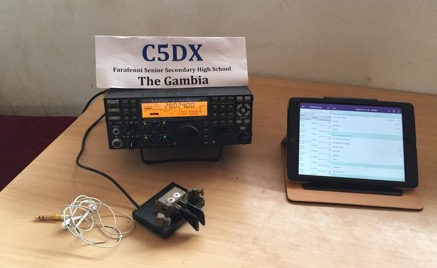
My app on the iPad in action in The Gambia
I found out that my app; Mircules HAM QuickLog was used in the C5DX DXPedition to The Gambia in Africa!
Most people that follow my blog will know that I’m the developer of Mircules HAM QuickLog which is an iPad app used for logging Radio Amateur contacts (QSO’s). I’m a software developer and I find it always nice when people are using my software!
The C5DX DXPedition was a mini DXpedition and demonstration of amateur radio to school students in The Gambia. The radio part was done by Alan (G4DJX). Alan is a headteacher of Sandringham School in St. Albans in the UK and they have a link with a school in The Gambia.
I had some contact with Alan and he was pretty positive about my logging software so I’m happy with that! He gave me some feedback about how he used the app and what would be nice additions to the app. I put a few of his remarks on my list of items to add in the app.
The Mircules HAM QuickLog app is since november previous year available in the Apple app store, so it’s pretty new. Any feedback about the app by the users is very useful for me!
More info:
www.hamquicklog.com
HAM QuickLog in the Apple app store
Operating in The Netherlands for radio amateurs from Canada
 Radio amateurs from Canada have been asking me the possibilities of operating with a Canadian HAM radio license in The Netherlands.
Because I think this information can be interesting for more Canadian operators, I decided to post it here.
Let me start by saying this; if anybody has updates or additions to my information here, please let me know so we can get it up here as accurate as possible!
We are using the HAREC / CEPT licensing system here, like everywhere in Europe. Depending on the license that you have you can operate in The Netherlands using a prefix PD or PA.
You need at least a basic with honours license to be able to operate here. If you have the basic with honours license you can operate like PD/<YOUR CALLSIGN> (so for example PD/VA3XXX)
If you have an advanced license you can operate like PA/<YOUR CALLSIGN> (so for example PA/VA3XXX)
Officially you can only operate for 3 months with the prefix PA or PD here.
From what I know you cannot change your Canadian license for a Dutch HAREC license. For this you need to do an exam.
If you want more info you can contact the Dutch government organization for radio amateurs which is called Agentschap Telecom.

You can find them here:
In Dutch: Agentschap Telecom – Radiozendamateurs
In English (less information shown): Radiocommunications Agency
I think you need a Canadian CEPT certificate from the RAC in Canada to be operating here, so be sure to get that before you come here.
Some more info:
RIC-3 — Information on the Amateur Radio Service
Temporarily Operating Canadian Amateur Stations in Other Countries
Amateur radio international operation
Disclaimer:
I think my information is accurate but don’t only depend on my info for this, get it confirmed from other sources!
It’s all about antennas!
 A week or 2 ago I competed in the PACC contest. This is a radio amateur contest where operators from all over the world need to contact Dutch operators to collect points.
A contest is always a good way to check your antennas, your radio and other equipment because you are making a lot of contacts in a short period of time.
This time I again tested all I could test and was again surprised by the effectiveness of my simple antennas!
My “main” antennas are 2 home made wire antennas. I made a fan dipole for 10m and 20m and an inverted V dipole for 15m. They are both hanging inside the house in the attic.
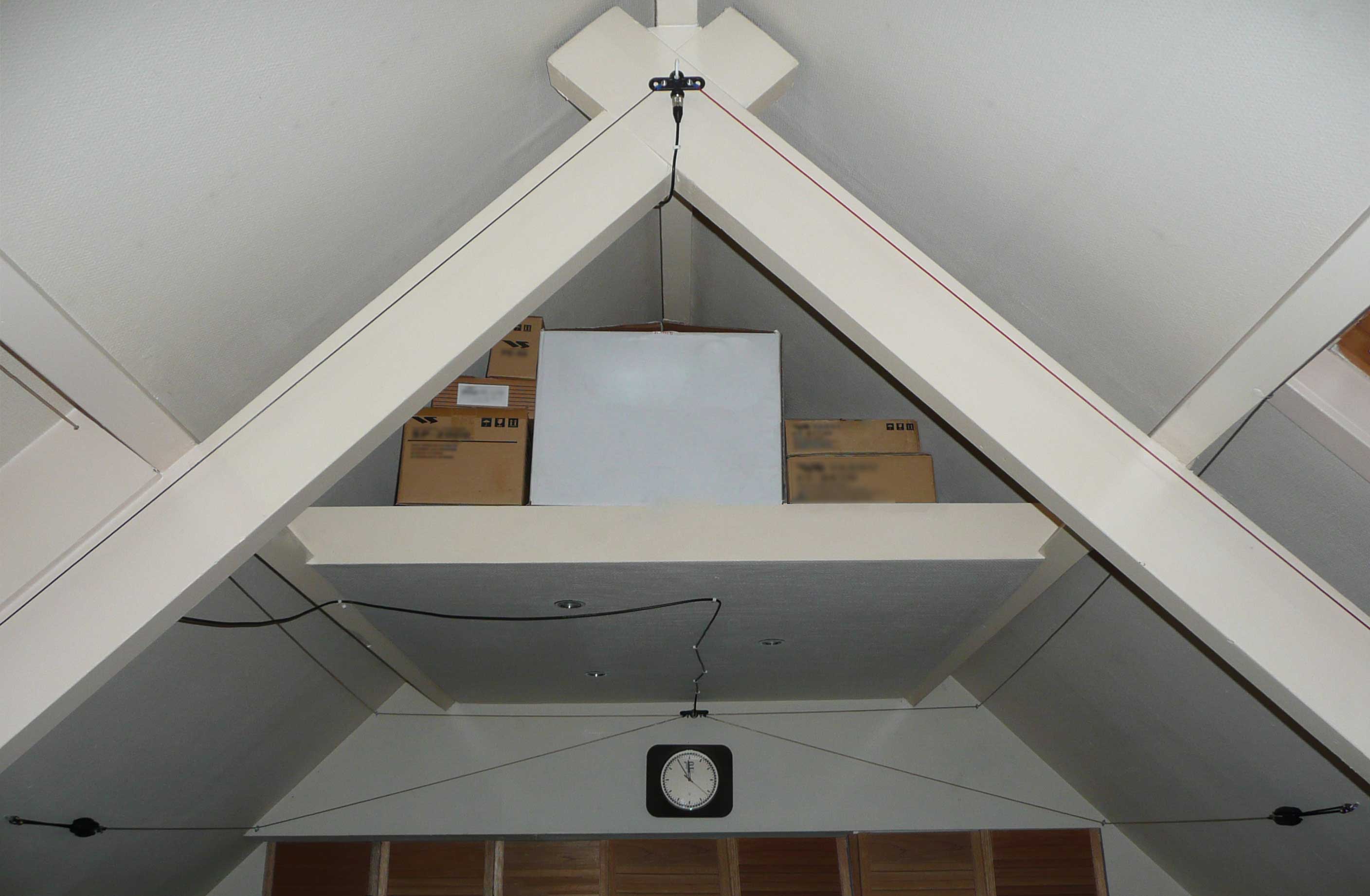
My antennas; a fan dipole and an inverted V dipole
They are the least impressive antennas I have ever seen, made with some copper speaker wire, bought in a home depot store for about 10 dollars(!)
It took me an afternoon to get them tuned and ready to use and I have had a lot of pleasure from them! I worked stations all over the world with them from Argentina to Australia and from Greenland to Siberia, mostly with only 100 watt on SSB.
I also managed to get the DXCC award with it. This is an award that you get when you worked 100 operators in 100 different countries. They need to confirm the contact to be able to count for the award. This is always the most difficult part; getting the contacts confirmed.
During the PACC contest I was several times complimented with my strong signal. I also had several situations where other Dutch stations were trying to reach a far away station and weren’t able to contact them. I managed to easily get through to these stations and work them.
This for me is the nicest part of the hobby; if and when you’re able to do a lot with limited antennas and power! Anybody can talk to the world with a 20 meter high Yagi antenna and 1 kilowatt of power. It takes more effort and skill to work the world with some speaker wire as an antenna and (relatively) low power!
For most HAM operators the importance of antennas in radio communication is clear and wire antennas have been used for ham radio sucessfully from the beginning.
You can have a lot of power but if your antenna is bad you will have trouble reaching the end of the street. But on the other hand, if you have low power and a great antenna you can work the world!
So for me the statement is true; it’s all about antennas!
I ordered a Chinese antenna analyzer
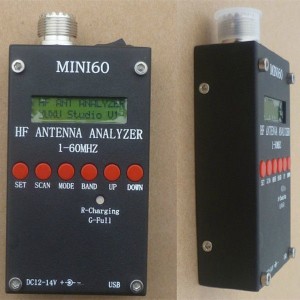 Today I decided to buy a Chinese antenna analyzer.
I already have a RigExpert analyzer and am very happy with it, so why did I buy another one?!
Well, I must say that the price was a big reason to buy it. It’s only 77 euros (USD 88) which is very low for such a product!
Another reason is that it looks very small, so if it works ok it will be another addition to my go kit. It would be nice to have an antenna analyzer with me on my trips.
The eHam reviews weren’t that great so I have to see how useful it will be, but I feel that for 77 euros I can take a risk with it! 🙂
You can find it here by the way: SARK100
I will write another blog in the future with test results of this analyzer. The nice thing is that I can compare it with the RigExpert that I have so I can see how the Chinese analyzer works compared to a product that I’m very happy with!